

Can electrical control equipment be used in hazardous locations?
Nov 12, 2026
Leave a message
If you’ve ever walked past a refinery, a chemical plant, or a grain storage facility, you might have wondered why the control boxes and switchgear you see there look so different from the standard electrical equipment at your local office building. For years, I’ve spoken to facility managers, engineers, and procurement teams who ask the same core question: Can electrical control equipment be used in hazardous locations? As a supplier of electrical control equipment, I don’t just answer with a generic yes or no—this is a question that requires balancing strict safety standards, equipment design, and a deep understanding of what makes a location “hazardous” in the first place. Let’s break this down, because the answer isn’t as simple as you might think.
First, let’s define what a hazardous location actually is. The National Electrical Code (NEC) in the U.S. and equivalent standards in other countries categorize hazardous locations based on the presence of flammable gases, vapors, combustible dust, or ignitable fibers. These environments are common in industries like oil and gas, pharmaceuticals, food processing, and mining. The biggest risk here is that even a small electrical spark from faulty or unrated equipment can trigger an explosion or fire. That means standard electrical control equipment—like the distribution boards you might have in a retail store—isn’t just unsuitable; it’s illegal and extremely dangerous to use in these areas. But that doesn’t mean electrical control equipment is off-limits entirely. It just has to be designed and certified specifically for hazardous locations.
Let’s start with the basics of how hazardous location equipment works. The key is “intrinsic safety,” “explosionproof design,” or “non-incendive” ratings. Intrinsic safety means the equipment is designed so that any electrical energy released under normal or fault conditions is too small to ignite the surrounding flammable materials. Explosionproof equipment, on the other hand, is built to contain an internal explosion and prevent that explosion from igniting the atmosphere outside the enclosure. Non-incendive equipment is similar to intrinsic safety, but it’s used for circuits that don’t have the ability to release enough energy to cause ignition. These aren’t just marketing terms—they’re third-party certifications from organizations like UL, ATEX, or IECEx that prove the equipment meets strict safety standards.
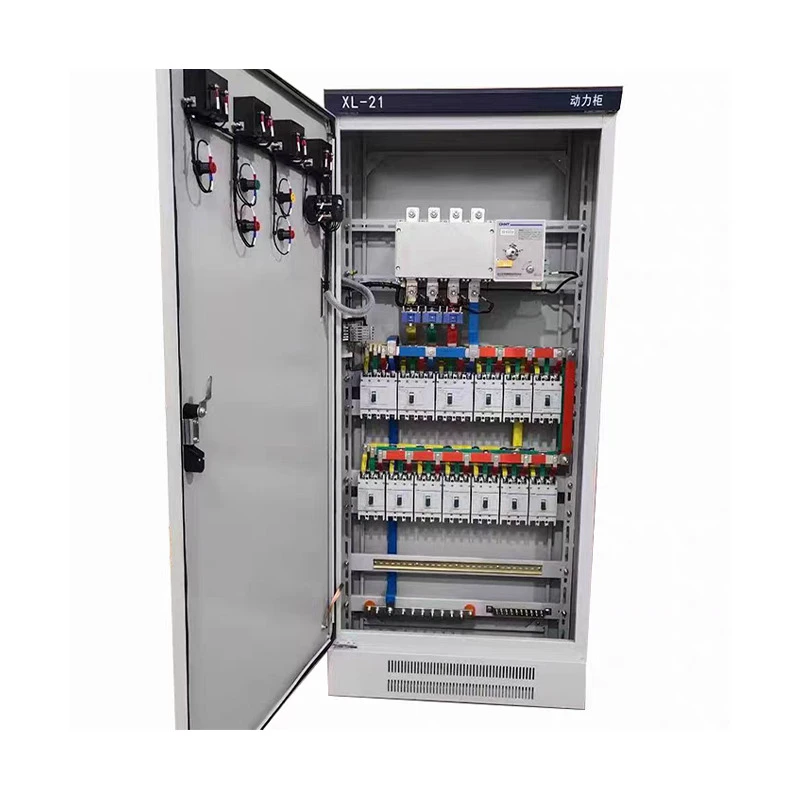
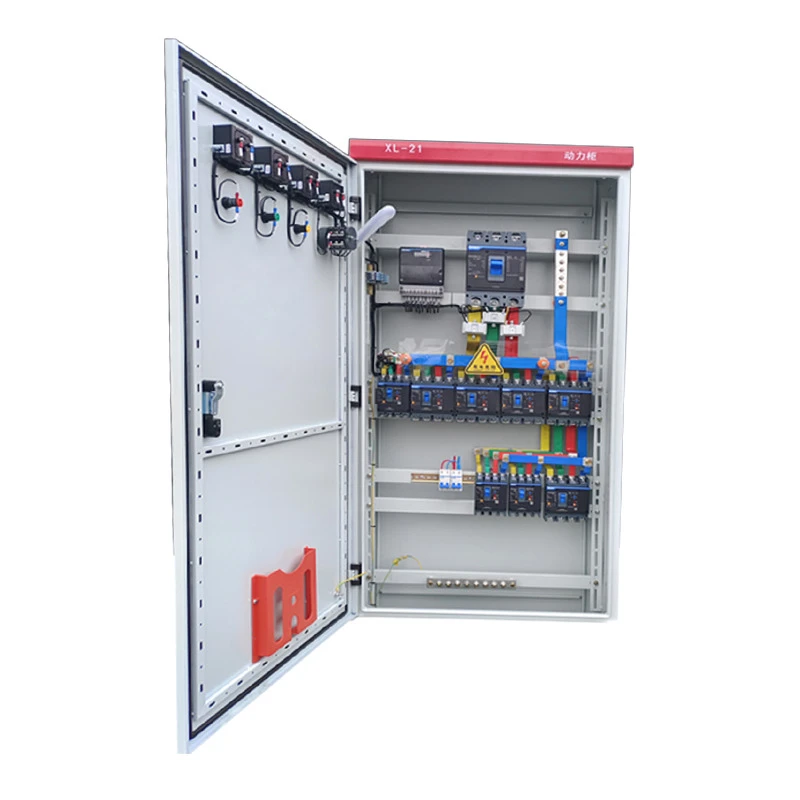
Now, as a supplier, I often get asked: can we adapt standard electrical control equipment to meet these standards? The short answer is no, not effectively. Standard equipment isn’t engineered to handle the unique pressures of hazardous environments. For example, a standard Distribution Board (/switchgear/distribution-board.html) is made for general-purpose use, with open connections and enclosures that aren’t sealed against flammable gases. But there are hazardous location-specific distribution boards that are certified to protect against those risks, with sealed enclosures, tightly wired connections, and surge protection that prevents dangerous sparking.
Let’s talk about specific types of equipment, because that’s where the confusion really sets in. Take Electrical Ring Main Unit (/switchgear/electrical-ring-main-unit.html), a common piece of switchgear used to distribute power in industrial settings. In a standard factory, a ring main unit is fine, but in a hazardous location like a chemical plant, a standard unit would be a disaster. Instead, you need a hazardous location-rated ring main unit, which has a hermetically sealed enclosure, gas-tight connections, and components that are tested to not ignite nearby gases.
Another critical piece is High and Low Voltage Switchgear (/switchgear/high-and-low-voltage-switchgear.html). High voltage equipment in particular generates more heat and has a higher risk of sparking, so in hazardous locations, it has to be built with extra safeguards. This might include pressure relief valves that contain explosions, insulated busbars that prevent arcing, and monitoring systems that detect overheating before it becomes a risk. Many people don’t realize that even small amounts of combustible dust can accumulate on uninsulated high voltage parts, creating a fire hazard—so certified switchgear is designed to prevent that kind of accumulation.
For even more extreme environments, like those with highly volatile flammable gases, Gas-Insulated Switchgear Cabinet (/switchgear/gas-insulated-switchgear-cabinet.html) is often the right choice. Unlike air-insulated switchgear, which can leak flammable gases or allow external gases to enter the enclosure, gas-insulated switchgear uses a non-flammable, inert gas (like sulfur hexafluoride, though modern options use more environmentally friendly alternatives) to insulate components. This completely eliminates the risk of external gases coming into contact with live parts, making it ideal for locations where gas leaks are a constant concern.
Medium voltage equipment is another area where hazardous location ratings matter. A Medium Voltage Cabinet (/switchgear/medium-voltage-cabinet.html) that works in a safe warehouse might not be suitable for a grain elevator, where fine combustible grain dust fills the air. Certified medium voltage cabinets for hazardous locations have dust-tight enclosures, so grain dust can’t get inside and create a flammable mixture, and they have pressure sensors that shut down the equipment if there’s a risk of internal arcing.
But here’s the thing: even if you use all the right equipment, it has to be installed and maintained correctly. That’s a point I can’t stress enough, because I’ve seen projects where companies bought certified equipment but cut corners on installation, leading to safety hazards. For example, wiring a hazardous location switchgear with standard, unrated conductors can create a spark risk, even if the equipment itself is certified. Regular maintenance is also critical—seals can degrade over time, and components can wear out, so annual inspections by qualified technicians are required to keep the equipment safe.
I recently worked with a team at a refinery that was trying to save money by using standard control equipment in a remote process area. They thought they could just add a seal to the box, but a third-party safety audit caught the problem before anyone got hurt. The standard box wasn’t rated to contain an internal explosion, and even a small fault could have ignited the surrounding natural gas. We worked with them to replace the equipment with certified hazardous location switchgear, and the team was relieved to know they were meeting regulatory requirements and protecting their workers. This is exactly why I’m passionate about this topic—cutting corners on safety doesn’t save money in the long run; it can lead to catastrophic consequences.
So, to answer the original question: yes, electrical control equipment can be used in hazardous locations, but only if it’s specifically designed, tested, and certified for those environments. Standard electrical control equipment is not suitable, and attempting to adapt it is dangerous and non-compliant. The key is to work with a supplier that understands both the technical requirements of hazardous locations and the specific needs of your industry.
If you’re working in a hazardous location and need reliable, certified electrical control equipment, we’re here to help. Our team has years of experience helping facilities select the right equipment for their specific environment, from distribution boards to gas-insulated switchgear cabinets. Whether you’re planning a new facility, upgrading existing equipment, or need to bring your current setup into compliance, we can provide expert guidance and high-quality, certified products. Contact us today to discuss your project and find the right electrical control equipment for your hazardous location needs.
References
- National Electrical Code (NEC) Article 500: Hazardous (Classified) Locations, National Fire Protection Association (NFPA), 2023.
- ATEX Directive 2014/34/EU: Equipment and protective systems intended for use in potentially explosive atmospheres, European Union, 2014.
- IECEx System: International Certification Scheme for Equipment for Explosive Atmospheres, International Electrotechnical Commission (IEC), 2022.
- Occupational Safety and Health Administration (OSHA): Hazardous Locations - Electrical Safety, U.S. Department of Labor, 2021.
- Industrial Switchgear for Hazardous Environments: Design and Application Guidelines, IEEE Industry Applications Society, 2020.
Send Inquiry