
How to ensure cybersecurity for smart electrical control equipment?
Nov 13, 2026
Leave a message
Hey there, if you’re reading this, chances are you’re either part of an industrial facility, a utility company, or just someone who’s noticed how much smart tech is now running the electrical systems that keep things light, powered, and operational 24/7. As someone who’s been in the electrical control equipment game for years—specifically as a supplier of everything from core switchgear to specialized gear—I’ve seen firsthand how the shift to smart electrical control equipment has been a total game-changer. We’re talking real-time monitoring, remote adjustments, and predictive maintenance that cuts downtime like nothing before. But here’s the catch: all that connectivity that makes smart gear so useful? It also opens up doors for cyber threats that could bring an entire facility to its knees in minutes. Let’s break down how to actually lock down your smart electrical control equipment without turning it into a clunky, disconnected relic.
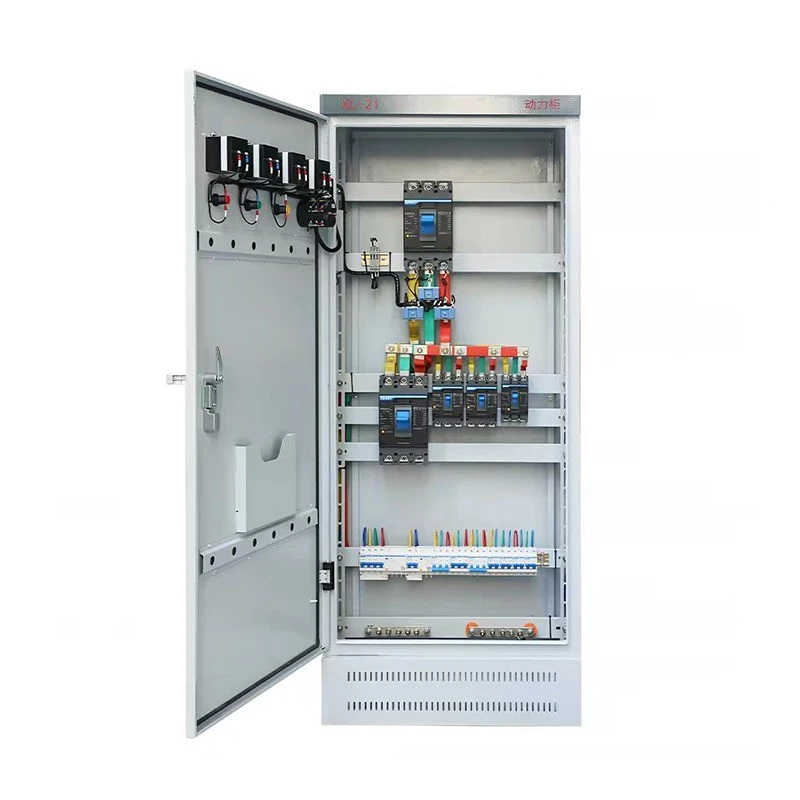
First off, let’s get one thing straight—this isn’t just a “tech problem” for the IT team alone. I’ve seen way too many cases where plant managers think cybersecurity is only for laptops and office networks, but the smart electrical control equipment (you know, the stuff that actually keeps power flowing) is often the weakest link. Whether you’re working with distribution switchgear, medium voltage cabinets, or even gas-insulated switchgear cabinet, these devices are connected to your network, and every open port, outdated firmware version, or shared login is a potential entry point for hackers. I’ve had clients come to us after a scare where a vulnerability in their old smart control panel let someone (luckily, a white hat tester) mess with power distribution, costing them thousands in lost production. So let’s start with the basics that most people skip: knowing what you’re working with.
Wait, let’s be real—most of us don’t have time to audit every single device on our network, especially when there are so many moving parts. That’s why if you’re in the market for new gear, choosing equipment built with cybersecurity from the ground up isn’t just a nice-to-have—it’s non-negotiable. Take our range of electrical control equipment, for example. We don’t just slap a “smart” label on a regular switchgear cabinet and call it a day. Every device we supply is designed with layers of security baked in, not added as an afterthought. But even if you already have existing gear, you can’t ignore this.
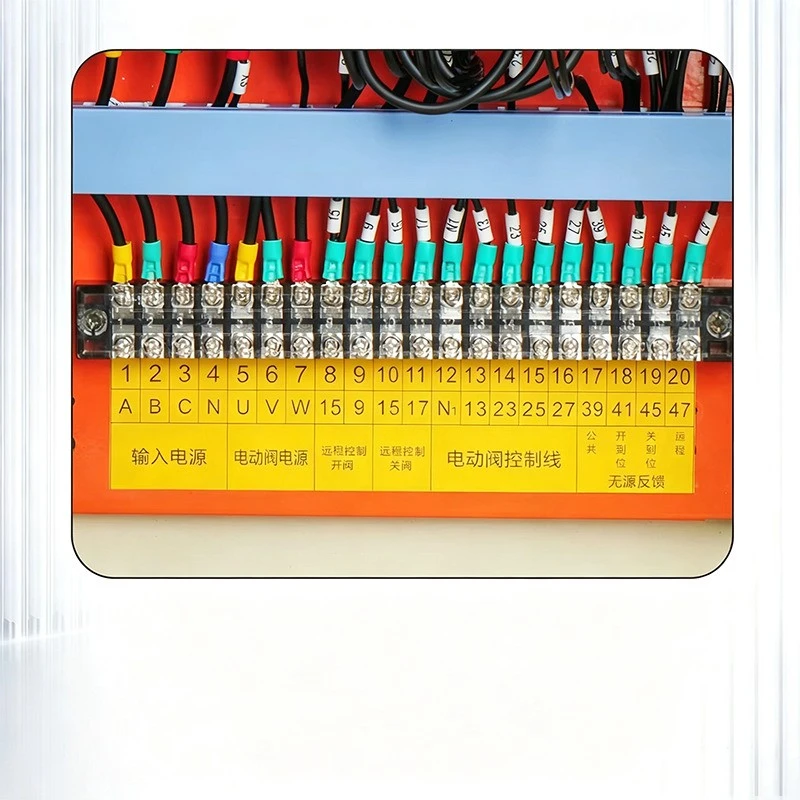
Let’s talk about the first big step: asset inventory and mapping. You can’t protect what you don’t know exists. I once worked with a manufacturing plant that had 12 smart electrical control devices on their network, and they only knew about 8 of them. The other 4 were old, legacy smart cabinets from a supplier that went out of business, running on firmware that hadn’t been updated in 7 years. No wonder they had a breach a few months later—those forgotten devices were the backdoor. So, start by doing a full walkthrough of every piece of smart electrical control equipment you have: that includes distribution switchgear, medium voltage cabinet, enclosed switchgear, all of it. Note their models, firmware versions, IP addresses, and who’s responsible for maintaining each one. If you have gear from multiple suppliers, this gets messy, but it’s worth it. Use tools that can scan your network for unconnected devices, and if you’re working with a supplier like us, ask for a full inventory guide tailored to our equipment—it makes this part way easier.
Next up, firmware and software updates. I know, I know—updating stuff is a pain, especially when industrial systems are running 24/7 and you can’t afford downtime. But delaying updates is like leaving your front door unlocked because you’re too lazy to get a new deadbolt. Smart electrical control equipment manufacturers release updates all the time to patch vulnerabilities that get discovered, and skipping them is a quick way to get hacked. We get it—taking a device offline to update it can be a logistical headache, so here’s a tip: schedule updates during planned maintenance windows, and use tools that let you push updates remotely without taking the entire system down. For example, our medium voltage cabinet line has a remote update feature that lets us push firmware fixes while the cabinet is still in operation, so you don’t have to shut off power to the whole section. Also, make sure you’re only downloading updates from the official supplier—third-party update sites are a common way hackers spread malware that targets industrial control systems.
Then, access control. How many people have access to your smart electrical control equipment? Is it just your maintenance team, or does the office IT guy have the same login? Wait, no—actually, your office IT guy probably doesn’t need access at all. The principle here is simple: only give people the minimum access they need to do their job. That’s called least privilege, and it works wonders for blocking unauthorized access. For example, a field technician who only needs to read data from a distribution switchgear doesn’t need permission to adjust its settings. We build our electrical control equipment with role-based access control (RBAC) right in, so you can set different levels of access for different users. Also, ditch the shared logins—every single person should have their own unique username and password, and make sure those passwords are strong (no “password123” or the name of your company, people). I’ve seen so many breaches where hackers got in because they guessed a shared login that everyone used. And don’t forget to rotate those passwords every 90 days, and disable old accounts when someone leaves the team.
Network segmentation is another big one that most people sleep on. If your smart electrical control equipment is on the same network as your office printers, email, and employee laptops, a hacker who gets into your email can instantly access all your control systems. It’s like having your bank vault right next to your front door—super bad idea. Network segmentation means splitting your industrial control network (the one with all your switchgear, cabinets, and control equipment) off from your office network, with firewalls and routers that only allow specific, necessary traffic between the two. For example, if your office only needs to pull data from your medium voltage cabinet for reporting, you can set the firewall to only allow that one data request, and block everything else. We help clients set up this segmentation when they buy our gear, and it’s one of the most effective layers of security we offer. No more cross-contamination between office and industrial networks.
Wait, what about physical security? Yeah, yeah—we’re talking about digital cybersecurity, but physical access to smart electrical control equipment is just as big a risk. If someone can walk up to an unguarded gas-insulated switchgear cabinet and plug in a malicious USB drive, they can take control of your entire system before you even know what’s happening. So, lock down all your gear in secure rooms or cabinets that only authorized personnel can get into. Use key cards, biometrics, or even simple padlocks to control physical access. Also, make sure your equipment has tamper alerts—our enclosed switchgear has built-in sensors that send a notification if someone opens the cabinet without the right credentials. That way, you get an alert immediately if someone’s trying to mess with things, not after the damage is done.
Testing and monitoring are non-negotiable too. You can set up all the security tools in the world, but if you don’t test them regularly, you won’t know if they work. Penetration testing—where ethical hackers try to break into your system to find vulnerabilities—is a great way to spot weak points. We do this for our clients all the time; we’ll try to access their smart electrical control equipment, see if we can get in, and then fix any issues we find. Also, set up 24/7 monitoring for your control systems. Look for anomalies—like a device that’s sending data at 2 a.m. when no one should be adjusting settings, or a login attempt from an unknown IP address. Our equipment has built-in monitoring dashboards that track all this, and we can set up alerts that ping your phone or email if something looks off. I once had a client get an alert at 1 a.m. that someone was trying to access their distribution switchgear from a foreign IP—they were able to block it before any damage was done.
Another thing: vendor management. A lot of companies work with third-party vendors for maintenance, repairs, or even data analysis. But if those vendors have access to your smart electrical control equipment, their security practices become your security practices. Make sure you vet every vendor you work with—ask them about their cybersecurity protocols, what access they’ll need, and how they’ll protect your data. We have strict standards for our vendors, and when we work with a client, we share those standards so they know exactly what to expect. For example, if a third-party technician comes to work on your medium voltage cabinet, we require them to use secure, company-issued devices and unique logins, no exceptions.
Wait, let’s talk about a common misconception: small facilities don’t need this level of security. That’s totally false. Hackers often target small to mid-sized facilities because they think they have weaker security. We’ve had clients with just one small manufacturing plant come to us after a ransomware attack that locked them out of their electrical control equipment, making them pay thousands to get it back. Smart electrical control equipment is everywhere now—from small warehouses to big power plants—and every single one is a potential target. So no matter the size of your operation, you need to take this seriously.
Let’s also cover the role of the supplier here, because that’s why I’m writing this. As an electrical control equipment provider, we don’t just sell you a switchgear cabinet or a control panel and walk away. We build security into every product we make, from our distribution switchgear to our gas-insulated switchgear cabinet. We offer support, updates, and guidance to help you keep your system secure long after installation. If you’re looking for gear that’s built with cybersecurity in mind, check out our range of electrical control equipment—we design every device to work with modern security protocols, so you don’t have to play catch-up later.
Now, let’s wrap this up with something actionable. If you’re feeling overwhelmed by all this, start small. First, do that asset inventory we talked about—just list every smart electrical control device you have. Then, check if their firmware is up to date. Then, make sure all logins are unique and passwords are strong. You don’t have to do everything at once, but doing these three things will put you way ahead of most facilities. And if you’re in the market for new equipment, don’t just go for the cheapest option—look for a supplier that prioritizes cybersecurity, offers support, and can help you set up the layers we talked about.
At the end of the day, smart electrical control equipment is here to stay, and it’s only going to get more connected. The good news is that with the right steps, you can enjoy all the benefits—better efficiency, less downtime, real-time insights—without putting your facility at risk. If you’re ready to upgrade your equipment, or just have questions about how to make your current system more secure, reach out to our team. We’ll walk you through every step, no confusing jargon, no pressure, just real advice from people who’ve been in this industry for years.
References
- International Electrotechnical Commission (IEC). (2021). IEC 62443 Series: Industrial Automation and Control Systems (IACS) Security.
- North American Electric Reliability Corporation (NERC). (2022). Critical Infrastructure Protection (CIP) Standards for Bulk Electric Systems.
- U.S. Cybersecurity and Infrastructure Security Agency (CISA). (2023). Industrial Control Systems (ICS) Cybersecurity Guide for Small and Medium-Sized Entities.
Send Inquiry