

How to ground electrical control equipment properly?
Nov 16, 2026
Leave a message
Hey there, if you’ve ever dealt with electrical control equipment, you know how tricky grounding can feel. It’s not just a “set it and forget it” step—skip or mess it up, and you’re looking at everything from glitchy machinery to serious safety hazards. I’ve been in the electrical control equipment game for over a decade now, working with clients ranging from small manufacturing shops to big industrial plants, and let me tell you: bad grounding is one of the most common (and costliest) mistakes I see. Today, I’m breaking down exactly how to ground your gear right, no fancy jargon, just real-world stuff I’ve picked up along the way.
First, let’s get one thing straight: grounding isn’t the same as bonding—though people use ‘em interchangeably all the time. Grounding is connecting equipment to the earth (via a ground rod or grid) to handle fault currents and static, while bonding is tying all metal parts together so they stay at the same voltage. Both are non-negotiable, especially if you’re running high-voltage stuff or sensitive electronics. I’ve seen a client’s entire assembly line go down because their Electrical Control Equipment wasn’t properly grounded—static fried their PLCs, and it took them three days to fix. Don’t be that guy.
Let’s start with the basics you need before grabbing any tools. First, know your local electrical code (NEC in the US, IEC internationally—always check your region’s rules because they differ). Then, get the right parts: copper is non-negotiable for most grounding conductors (aluminum can corrode and cause issues), ground rods (8-foot copper-clad ones are standard), clamps that fit your rod and equipment terminals, and a quality multimeter to test continuity. Pro tip: don’t skimp on the wire size—too small, and it can’t handle fault current when something goes wrong.
Now, step-by-step grounding that actually works. First, plan your ground system. For small setups (like a workshop with a few control panels), a single ground rod might cut it, but for bigger stuff—think Gas-Insulated Switchgear Cabinet or Distribution Switchgear—you need a ground grid, usually with multiple rods connected by buried copper wire. I always advise clients to space rods 8 feet apart (the length of a standard rod) and make sure they’re driven deep enough—no bending a rod that’s too short, I’ve done that, it’s a pain. Also, avoid placing rods near metal pipes or other grounding systems, that can mess with resistance.
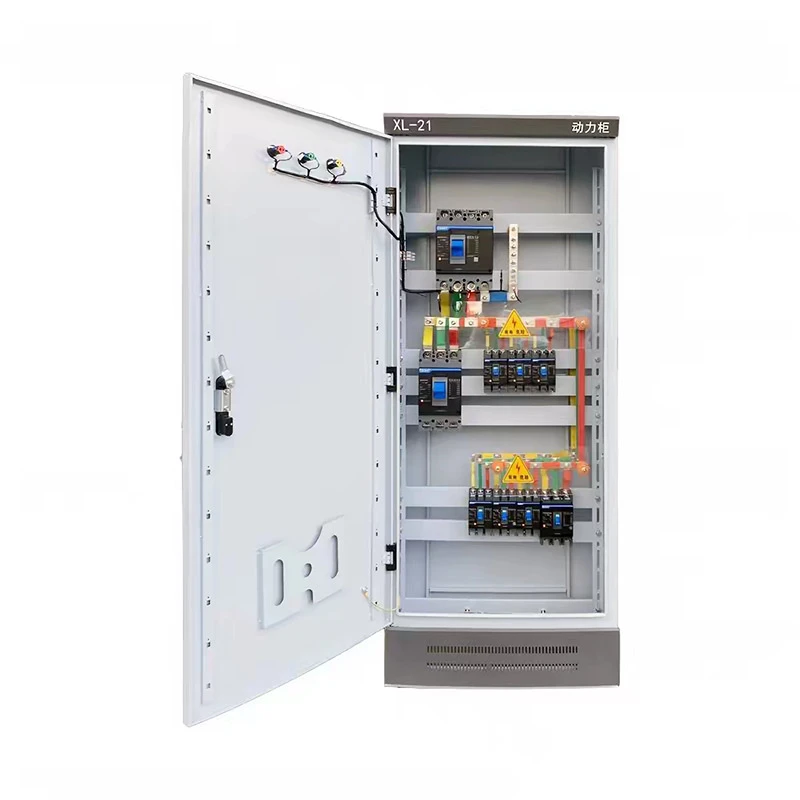
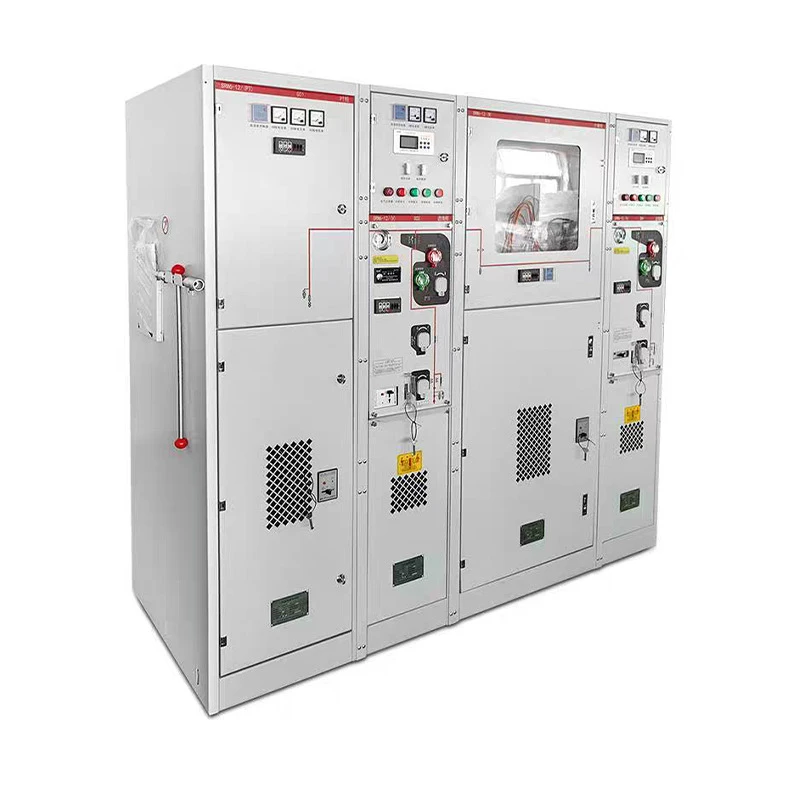
Next, bond all metal parts. Every piece of your electrical control gear needs to be bonded together: control panels, switchgear, motor enclosures, even the metal raceways that hold wires. I use 6 AWG copper wire for most bonding—thicker than that is overkill, thinner is risky. When connecting, make sure the clamp or terminal is tight, and clean the metal surfaces first (no paint or rust!)—I learned that the hard way when a loose, corroded bond caused a power surge that burned out a motor. For High and Low Voltage Switchgear, bonding is extra critical because those systems carry way more current—skimp here and you’re asking for an arc flash, which is no joke.
Then, connect your bonded system to the earth. This is where the ground rods come in. The number of rods you need depends on the soil resistance—rocky or dry soil needs more rods, wet soil needs fewer. The goal is a ground resistance of 25 ohms or less (per NEC, at least for most applications). How do you test that? Use a ground resistance tester—stick the probes in the soil a few feet away from the rod, turn it on, and you’ll get a reading. If it’s too high, add more rods or use a chemical ground enhancing compound (but make sure it’s safe for the soil and won’t corrode your copper wire). I had a client in Arizona with super dry soil—we added three extra rods and some compound, and got the resistance down from 120 ohms to 18.
Wait, what about sensitive electronics? If you’re running PLCs, HMI screens, or other low-voltage control gear, you need an extra layer: isolated grounding. Don’t bond these to the same ground as your heavy machinery—switchgear, motors, etc.—because their fault currents can cause noise that messes with your sensitive equipment. I learned this when a client’s new automated packaging line kept glitching until we separated their control gear’s ground from the main switchgear ground. They added an isolated ground bus bar and a separate rod, and the problem was gone. Same goes for Electrical Ring Main Unit—those feed power to multiple areas, so if their control side is grounded to the same ground as the main lines, you get interference.
Common mistakes I see all the time: using aluminum grounding wire (it corrodes faster than copper, leading to high resistance), driving ground rods at an angle (they don’t go as deep, so resistance is higher), not testing the ground after installation (just assuming it’s good), and bonding only some parts of the equipment (every metal component has to be tied in). Another big one: grounding to a water pipe. Old pipes might not make good ground connections, and if you replace the pipe with plastic, your ground is gone. Stick to ground rods or grid systems.
Now, let’s talk about regular maintenance because grounding isn’t a “set it and forget it” job. Every six months (or after a big project, power outage, or storm), check your ground connections. Tighten clamps, look for corrosion, test the resistance again. Last year, a client had a storm that knocked a rod loose—we did a routine check, caught it, and prevented a huge issue. Also, if you modify your equipment (add new panels, expand switchgear), update your grounding system to match. Don’t just add a new panel and tie it to an existing ground—calculate the new current load and adjust the conductor size or add more rods.
Here’s the thing: proper grounding isn’t just about following rules—it’s about keeping your people safe and your equipment running. I’ve had clients say, “It’s just a small setup, do I really need to go through all this?” Then they have a fault that trips a circuit, and suddenly their production is down for days. I’ve also had clients skip steps and end up getting fined for non-compliance. When you invest in quality Electrical Control Equipment (or stuff like Gas-Insulated Switchgear Cabinet or High and Low Voltage Switchgear), you want to protect that investment. Grounding is the cheapest insurance you can get.
If you’re not sure where to start—whether you’re working with a small control panel or a full switchgear installation (like Distribution Switchgear or an Electrical Ring Main Unit), I’m here to help. I’ve grounded everything from small workshops to industrial plants, and I can walk you through planning, installation, or maintenance. Don’t risk it—good grounding keeps your gear working, your team safe, and your business moving. Reach out, let’s talk about your setup and get your ground right.
References
National Electrical Code (NEC) Article 250: Grounding and Bonding
International Electrotechnical Commission (IEC) 60364: Electrical installations for buildings
OSHA Electrical Safety Guidelines for Grounding and Bonding
Institute of Electrical and Electronics Engineers (IEEE) 142: Recommended Practice for Grounding of Industrial and Commercial Power Systems
Send Inquiry